ESMA Montpellier · Illustration · Concept Art · Visual Storytelling
ESMA Grand Prix Illustration Concept Art 2026 — Jury, Visual Storytelling & Professional Presentation
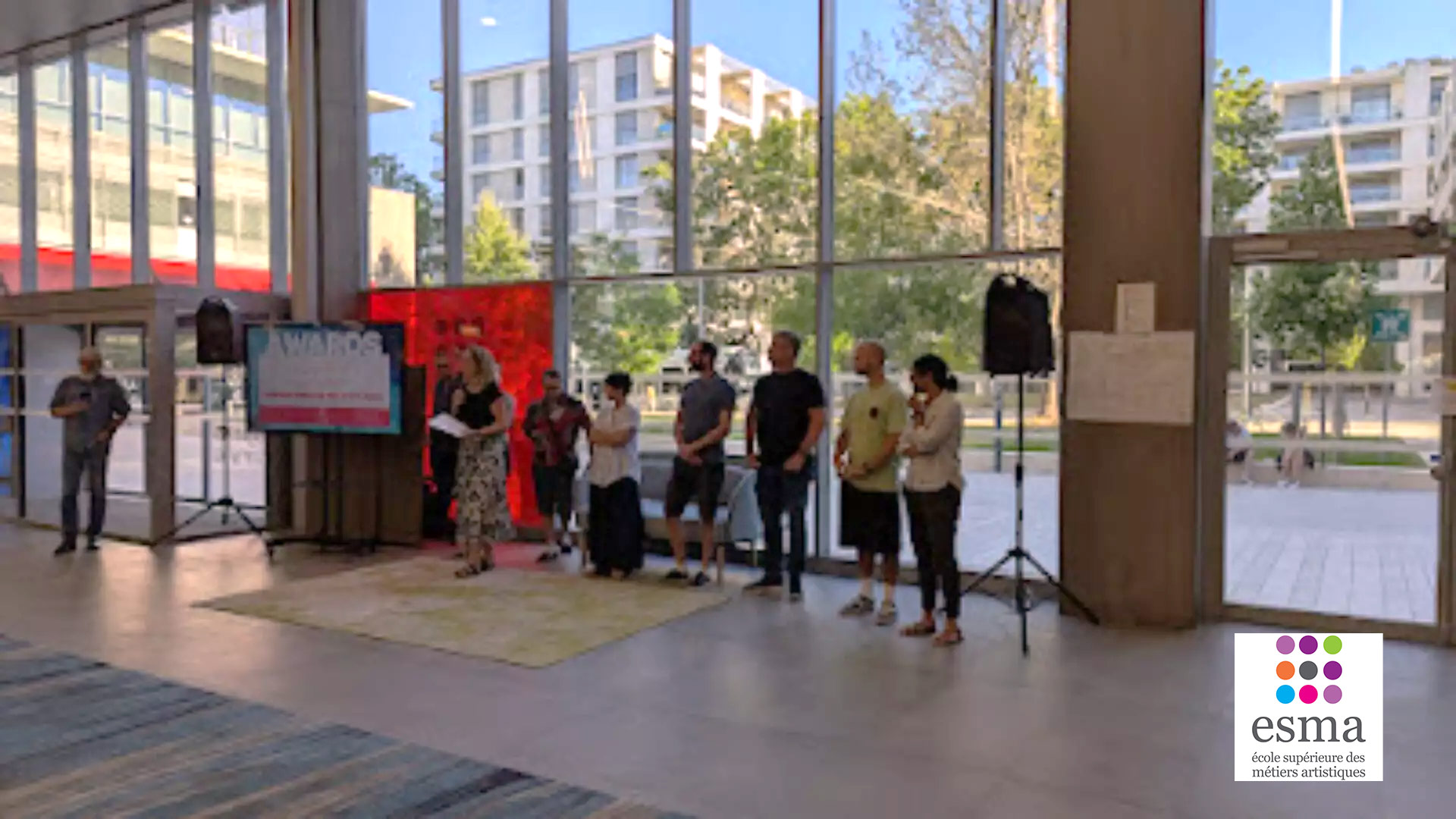
In June 2026, I joined the professional jury for the final-year Illustration Concept Art projects at ESMA Montpellier — two days of presentations, visual worlds, character development, books, staged displays and detailed discussion about what makes creative work hold together as a professional project.
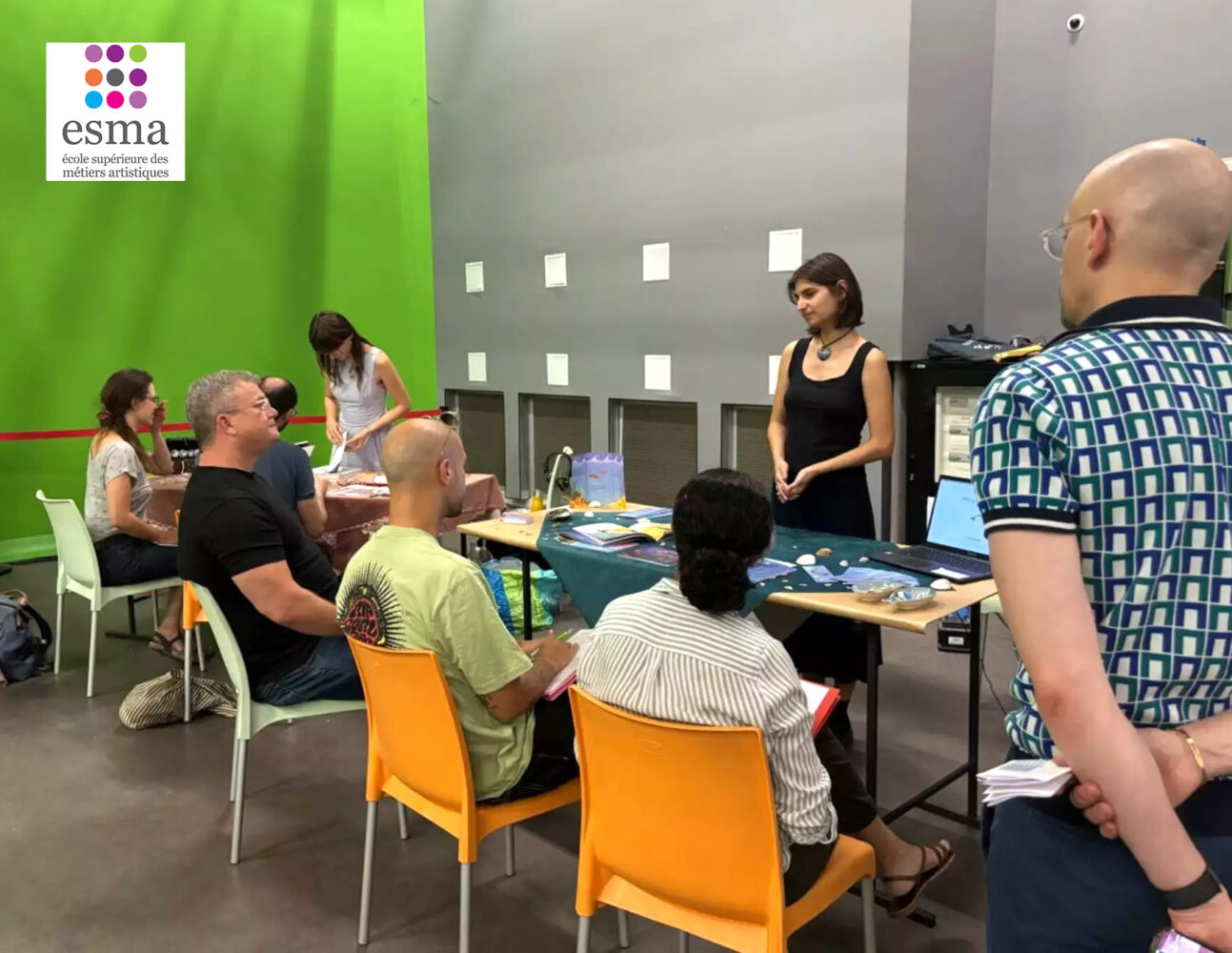
Looking at student work as complete professional projects
The Grand Prix marked the conclusion of the Illustration Concept Art students’ course of study. Over two days, final-year students presented the results of several years of work: first orally, then through carefully staged project displays in the large studio at the Écoles Créatives campus in Montpellier.
As an illustrator, creative director and teacher at ESMA Montpellier in the 3D Animation & VFX Master’s programme, I found the invitation particularly interesting because I work with students in a different department but encounter many of the same questions.
How does a visual world remain coherent? How does a character hold together across different situations? How does drawing serve a story rather than simply demonstrate technique? And how does a personal visual language become strong enough to communicate professionally?
Strong projects are more than collections of good images
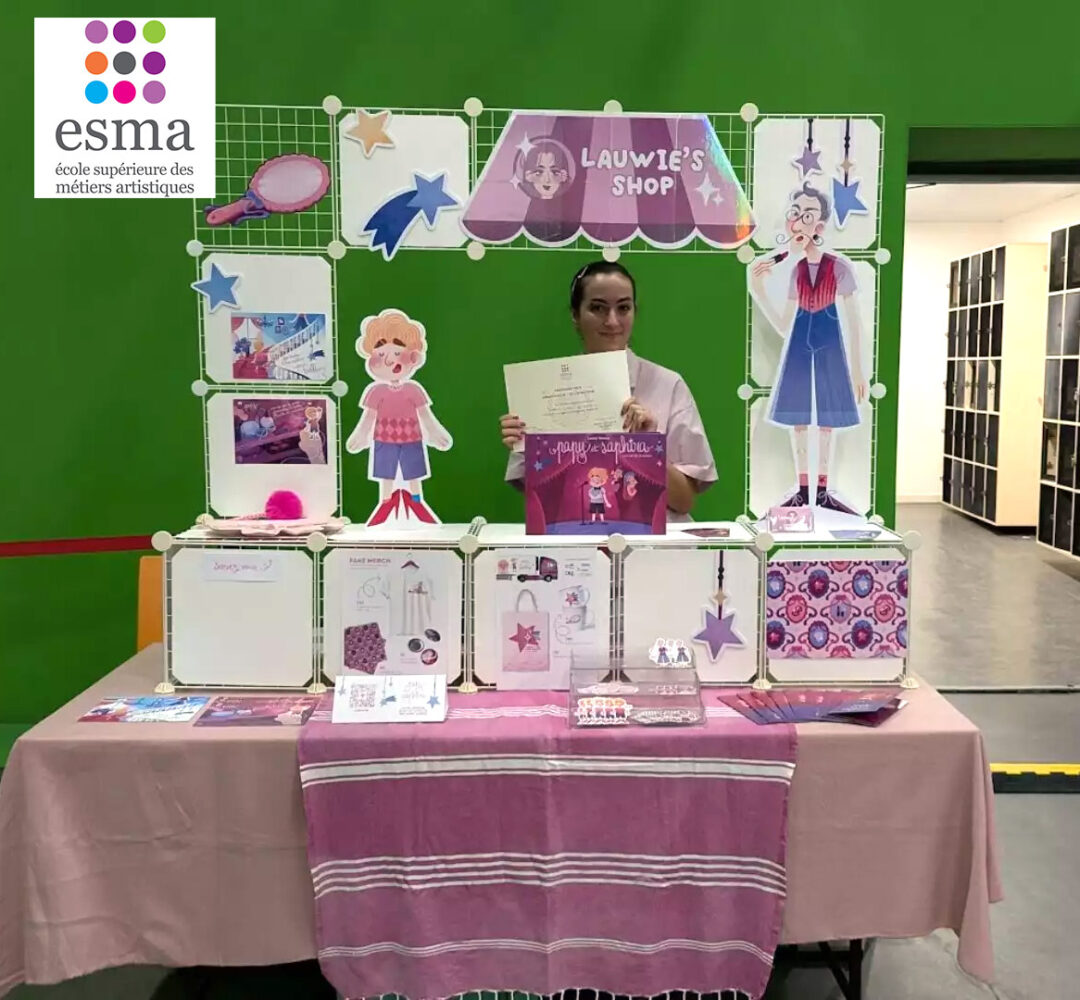
The strongest presentations were not simply portfolios of finished artwork. They functioned as complete visual worlds: characters, locations, books, objects, graphic systems, staging, mood and narrative direction supporting one another.
That is where illustration and concept art become more than style. The project begins to create a place that another person can enter, understand and imagine continuing.
The same principle applies well beyond art school. In professional work, a collection of individually attractive images is rarely enough. The pieces have to belong together and support a larger idea.
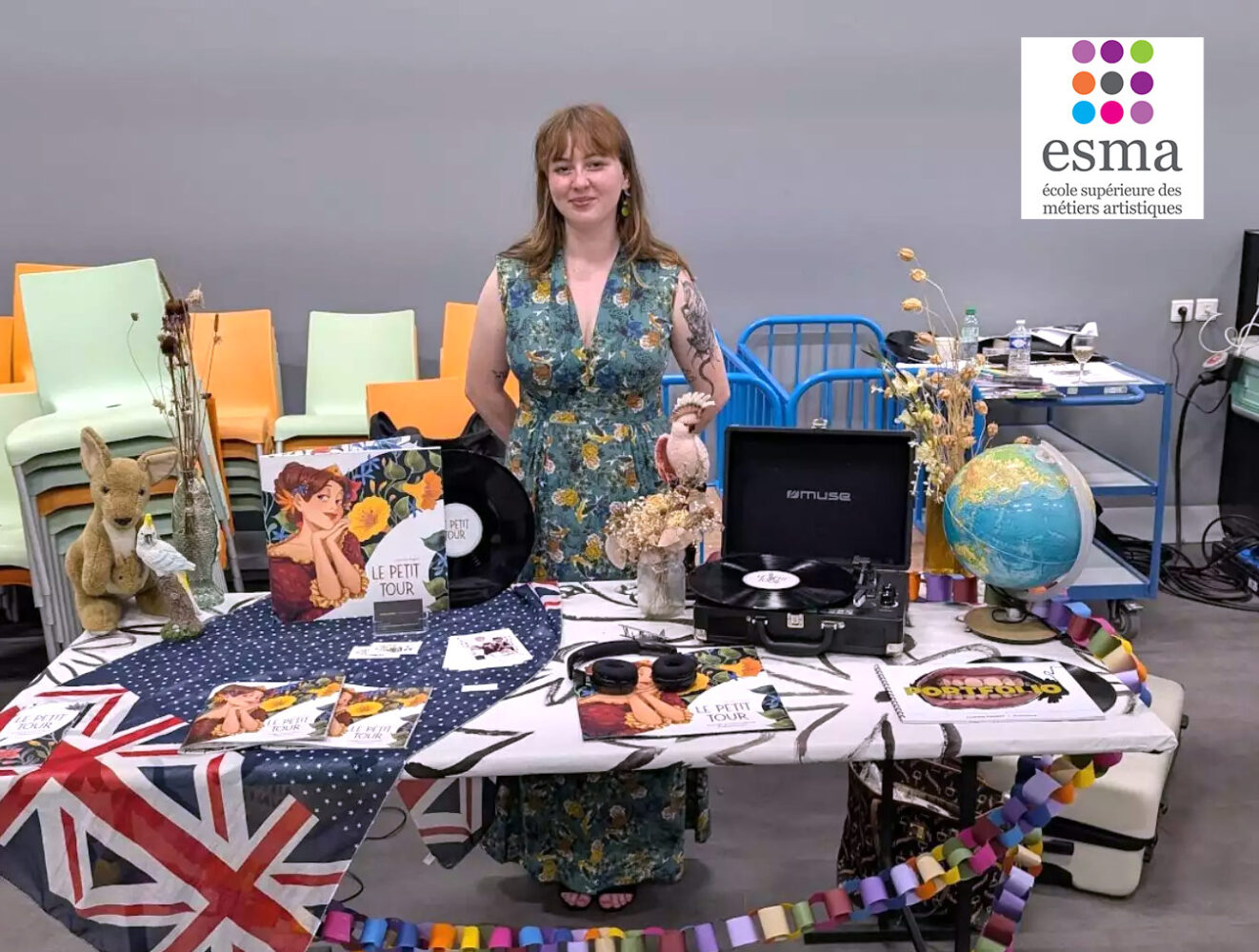
Presentation is part of the project
One of the most useful aspects of this kind of jury is that students have to explain and defend their decisions. It is not enough to produce attractive images.
They need to show why the project looks the way it does, how the individual elements relate to one another, and how somebody encountering the work for the first time is supposed to read it.
A professional project has to survive first contact. It should already communicate before the explanation begins — and become stronger once the thinking behind it is revealed.
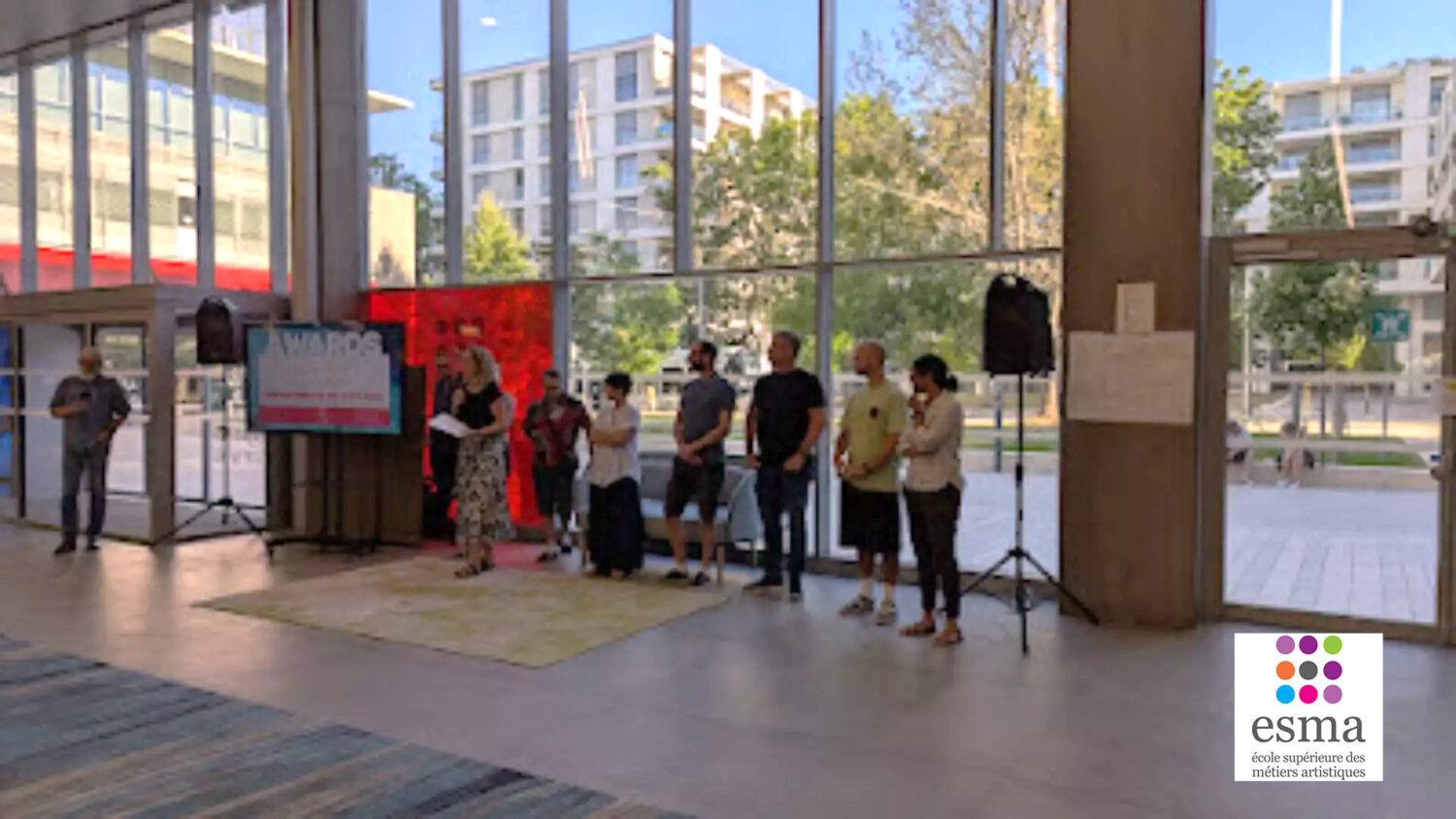
Professional Jury
Different disciplines, different ways of reading the same work
The jury brought together professionals from illustration, concept art, children’s publishing, comics, storyboard and art direction.
I joined Gaëlle Hersent, Hervé Groussin, Pauline Comis, Romain Laforet, Alexis Vynckier and Cyndie Poulin.
That range of viewpoints matters. A project may be beautifully drawn but difficult to read, narratively strong but visually inconsistent, technically impressive but poorly presented. Looking at the work from several professional directions gives students a more useful form of feedback than a single stylistic judgment.
A strong graduating class
The overall level was high. The strongest projects showed not only drawing ability, but maturity in the way their visual worlds had been built, edited and presented.
Some were intimate and book-led; others moved toward worldbuilding, animation or broader concept development. What distinguished the more convincing projects was usually the presence of clear decisions rather than simply more material.
The first prize went to Maya Courgey-Moreaux for Le Prieuré de l’Oranger, édition illustrée. The second prize went to Marianna Alexandrova for André crée son vitrail.
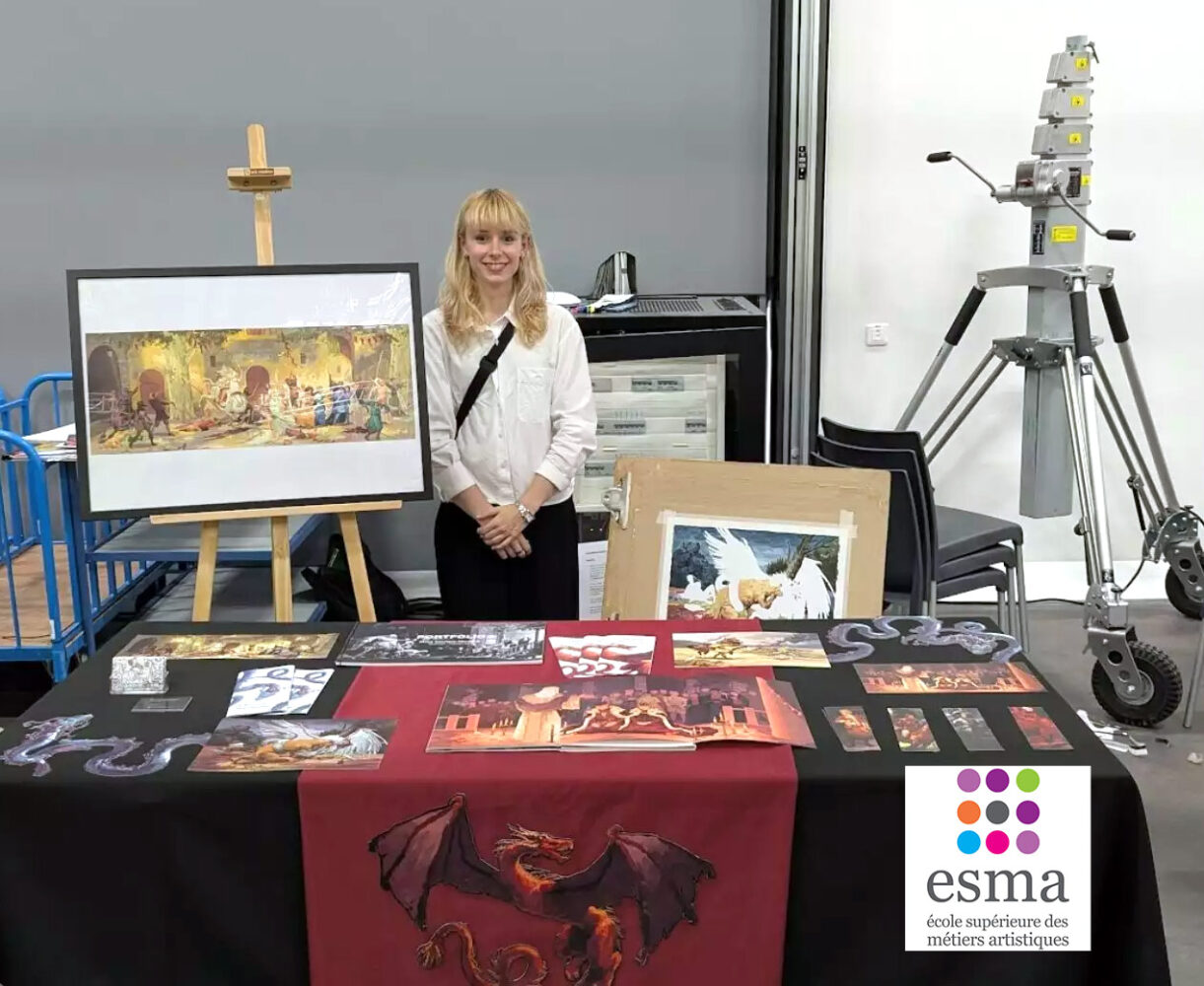
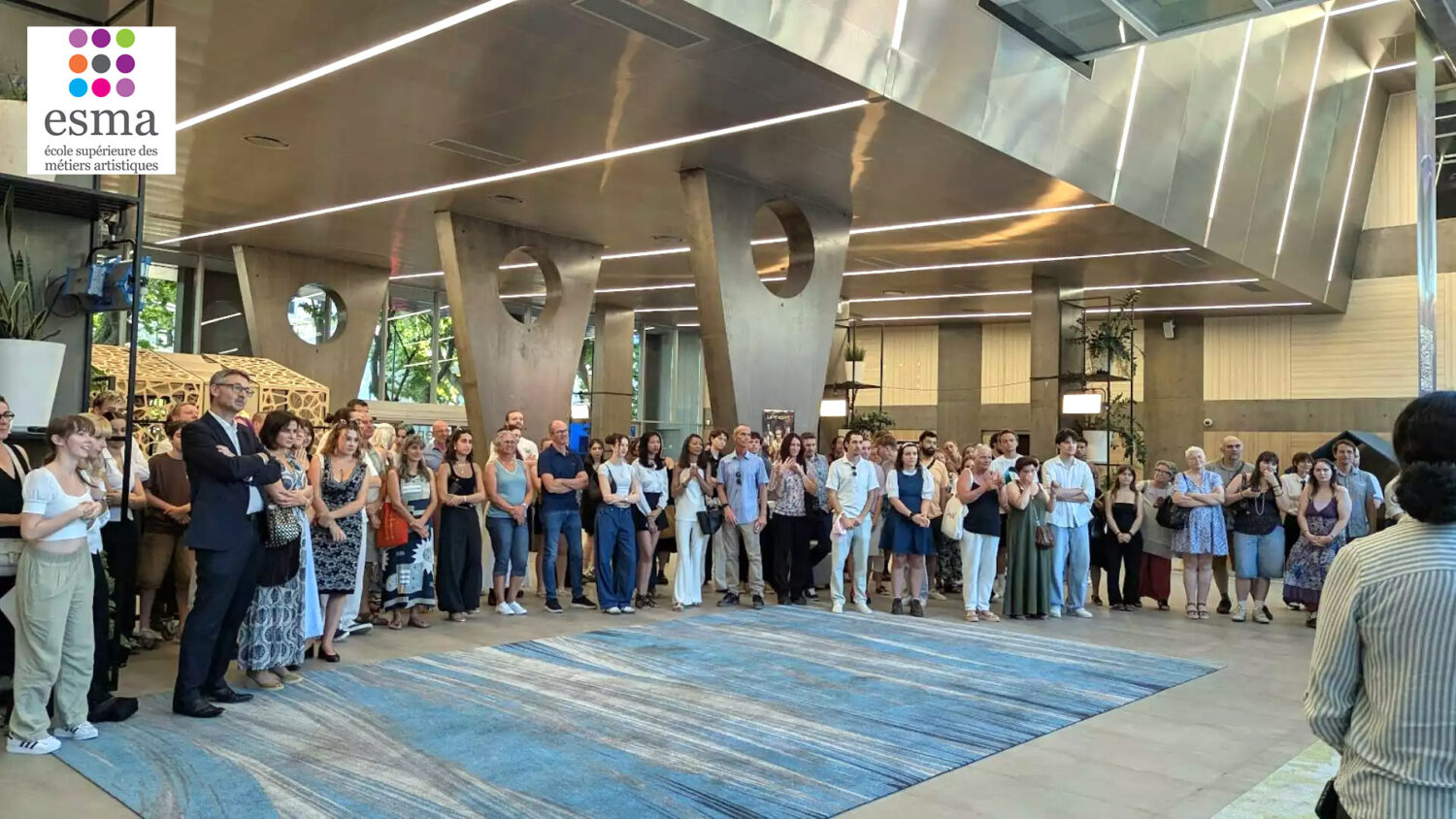
Illustration and creative education in Montpellier
The final projects were subsequently shown publicly at Halle Tropisme in Montpellier, next to the ESMA and CinéCréatis campus at Écoles Créatives.
That transition from school presentation to public exhibition is useful in itself. It moves the work beyond an academic context and asks whether it can hold attention in a wider cultural setting.
For me, the Grand Prix also reflects something broader about Montpellier: illustration, animation, visual development, publishing and creative education form an unusually active local ecosystem.
ESMA’s own report on the event can be read here: Grand Prix Illustration Concept Art 2026 — deux jours pour révéler des univers d’exception.
Illustration · Narrative · Character
The same questions continue in professional practice
The questions discussed during the jury connect directly with several areas of my own work: visual storytelling, editorial illustration, character design, comics and communication systems built around drawing.
Related work: Editorial & Educational Illustration · Business Comics & Sequential Illustration · Logo, Mascot & Character Design.