An Initiative Created by Ian David Marsden · 2026
The No Recording Mark — Don’t Photograph, Film or Record Me
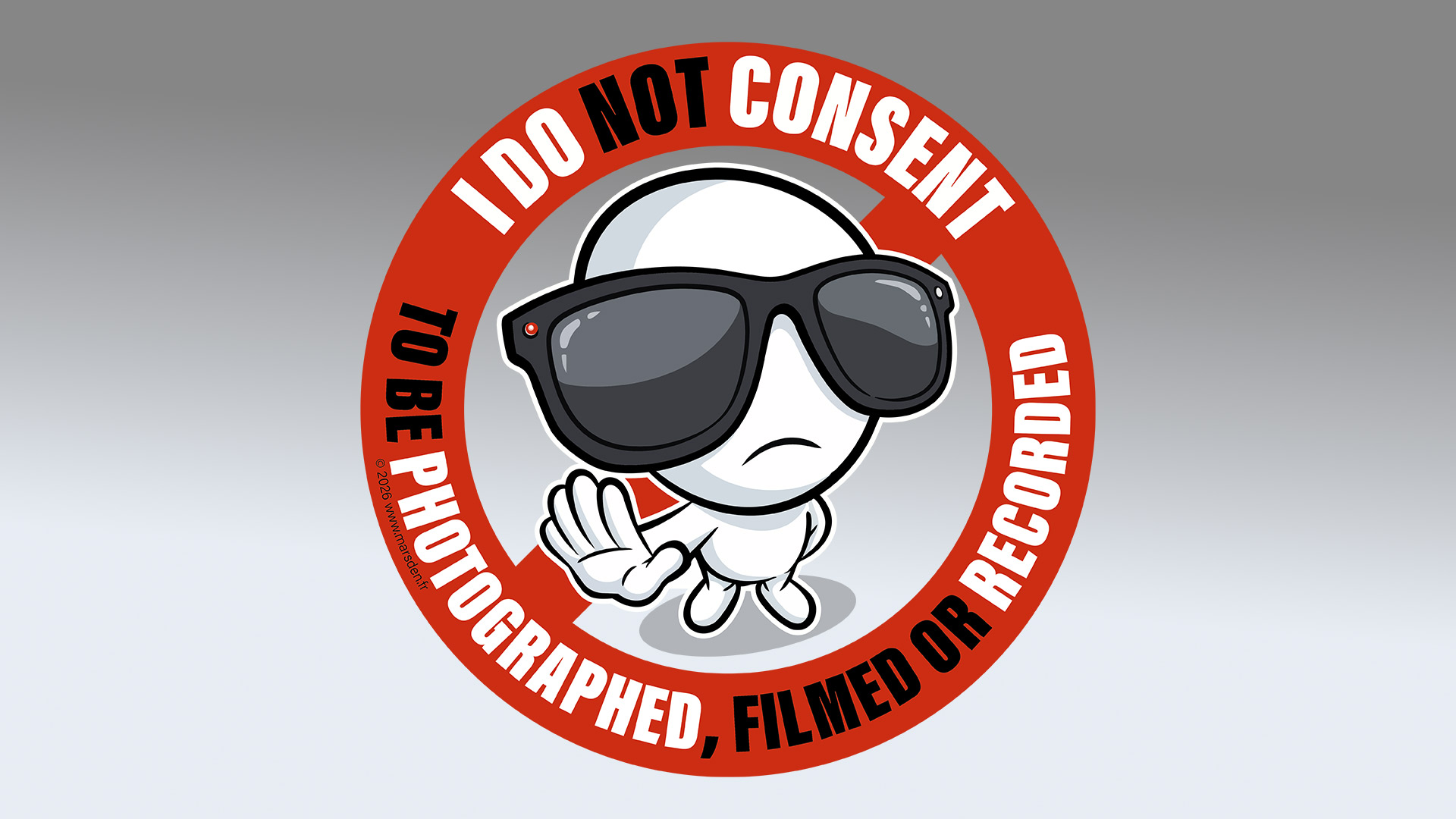
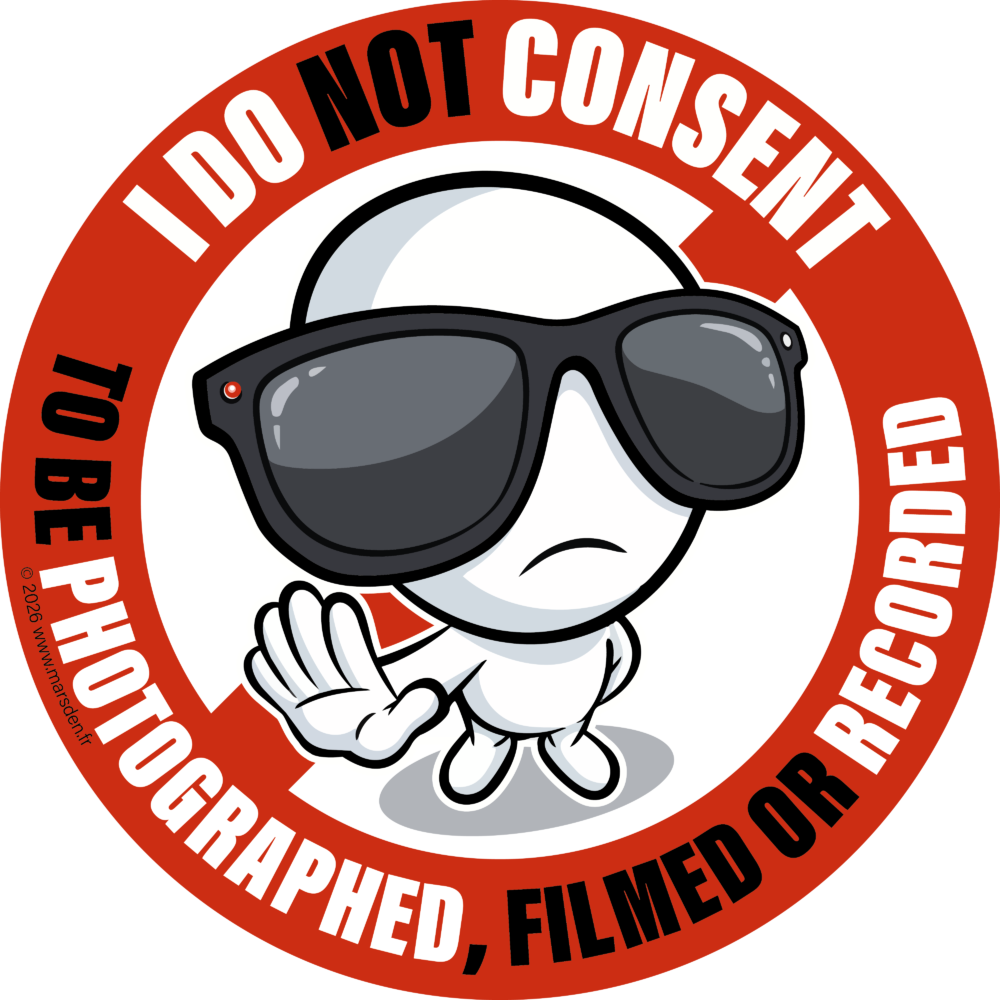
A visible declaration: I do not consent to being photographed, filmed or recorded.
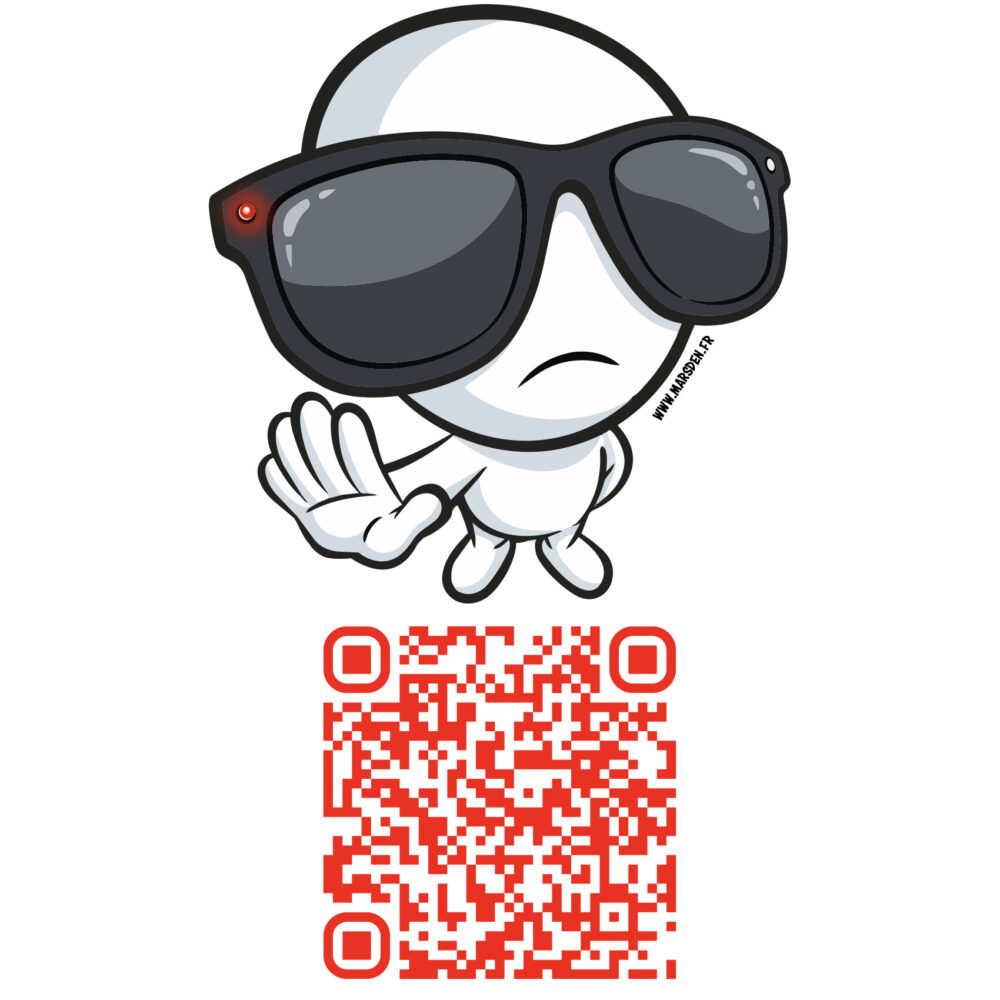
I created the No Recording Mark in 2026 as a simple visual way for people to state a boundary before a camera, smartphone, smart glasses or other recording device is used.
If you can see this mark, you do not have my consent to record me.
The Idea
A signal for the person on the other side of the lens
Recording technology increasingly tells us what the camera is doing. What was missing was an equally simple visual signal from the person being recorded.
I developed the No Recording Mark to fill that gap: a clear sign that says the person displaying it does not consent to being photographed, filmed or recorded.
What It Means
A direct statement of non-consent
I DO NOT CONSENT
TO BE PHOTOGRAPHED, FILMED OR RECORDED
The statement includes photography, video and audio recording, whether carried out openly or discreetly using a conventional camera, smartphone, smart glasses, wearable camera, concealed device or other recording technology.
It also expresses an objection to identifiable photographs, video, audio or other recordings being uploaded, published, shared, distributed, reproduced or otherwise used without consent.
Why Now
Recording is becoming less visible
Smartphones already made recording almost constant in public and social life. Smart glasses, wearable cameras and other discreet devices make the act of recording less obvious still.
With conventional photography, someone normally raises or points a device. With camera-equipped eyewear and wearables, a person nearby may have no clear indication that recording is taking place.
The No Recording Mark does not attempt to control the technology. It communicates the position of the person being recorded.
Where It Can Be Used
Anywhere a visible boundary is useful
The mark is intended for public, social, professional and private situations where unwanted photography, filming or recording may occur.
Everyday spaces
Streets, events, workplaces, bars, clubs, gyms, travel, social gatherings and other shared environments.
Private & intimate spaces
Changing rooms, locker rooms, bathrooms, showers, hotels, homes and other situations where privacy is particularly important.
Content creation
Street interviews, livestreams, reaction videos, pranks, challenges and social-media content involving people who have not agreed to participate.
Important
What the mark does — and does not — mean legally
The No Recording Mark is an explicit declaration of non-consent. It does not by itself determine whether a particular photograph, recording, publication or use is lawful or unlawful.
Rights and obligations depend on the circumstances and the law of the relevant jurisdiction. This page explains the intended meaning of the mark and does not constitute legal advice.
Official Download
Download the No Recording Mark
The mark is free to use for personal and non-commercial purposes on clothing, badges, pins, stickers, signs and similar personal materials.
The download package contains vector and high-resolution artwork suitable for print and digital use.
The No Recording Mark explained

Usage & Licensing
Using and sharing the No Recording Mark
- The mark may be downloaded, copied, shared and printed free of charge for personal and non-commercial purposes.
- Items displaying the mark may be produced and distributed free of charge, provided its meaning is not altered.
- When the artwork is shared or republished, please credit Ian David Marsden / marsdenillustration.com and, wherever practical, link to this official page.
- The wording, meaning and essential design of the mark must not be altered in a way that changes what it communicates.
- Commercial manufacture or sale of products incorporating the No Recording Mark requires prior written permission.
- The mark must not be presented in a way that suggests endorsement, sponsorship or affiliation by Ian David Marsden or Marsden Creative.
Concept, initiative and design: Ian David Marsden / Marsden Creative.
© 2026 Ian David Marsden. All rights reserved.
About the Initiative
A communication-design response to a changing technology
I developed the No Recording Mark as an independent initiative through my work in illustration, graphic design and visual communication. The objective is deliberately practical: make a person’s position understandable at a glance.
The official artwork, meaning and usage conditions are maintained on this page.