





Google · 2000–2001 · Illustration · Character Design · Visual Storytelling
Ian David Marsden — First Official Google Doodle Artist
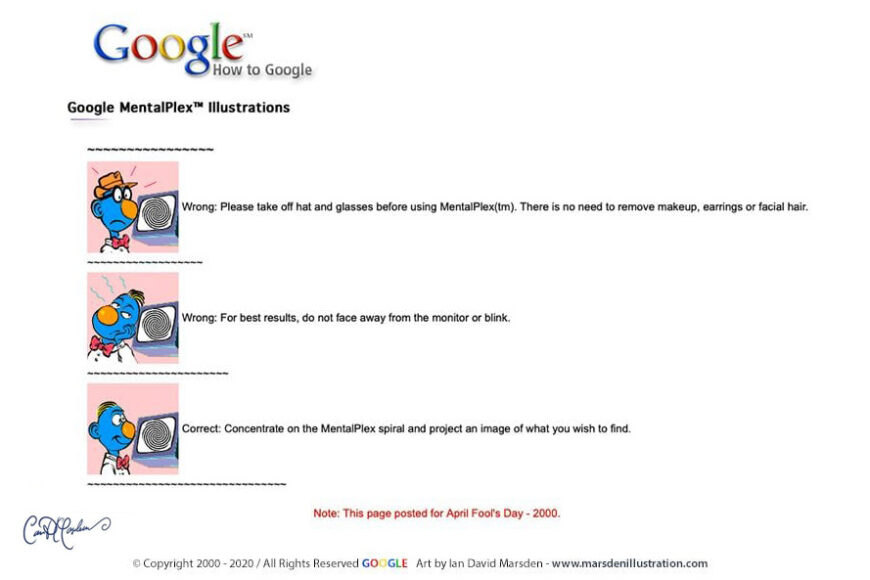
In 2000, I was contacted by Susan Wojcicki to create the artwork for Google’s MentalPlex April Fool’s project. After that first commission, Google kept me on in a freelance capacity as its Doodle artist.
For roughly the following year, I was the only official Google Doodle artist, creating illustrated homepage variations, characters, visual jokes and short narrative sequences for Google.com.
MentalPlex · Google Aliens · Founding Fathers BBQ · Sydney 2000 Kangaroodle · seasonal and event Doodles
How It Started
From MentalPlex to Google’s freelance Doodle artist
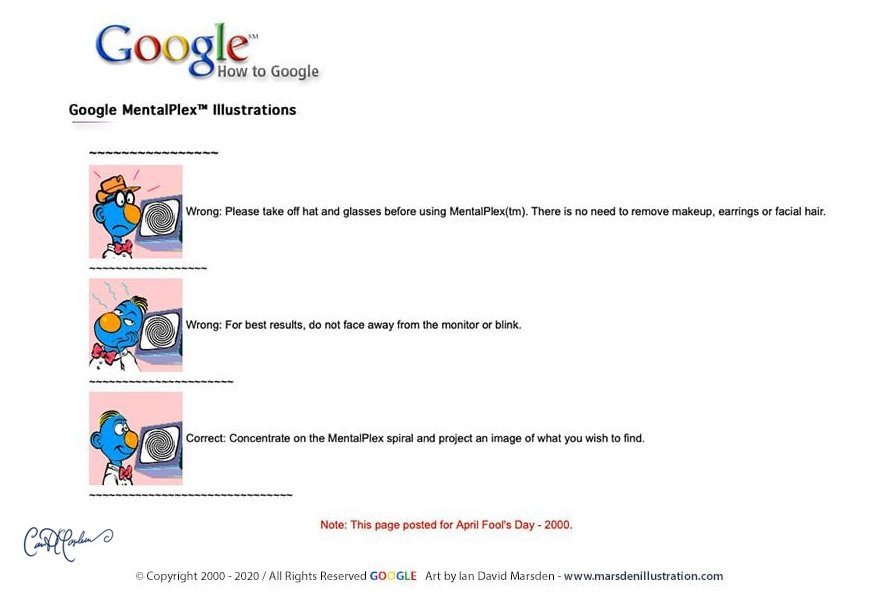
MentalPlex began with the absurd premise that Google had developed a way to read a user’s mind and perform a search without typing anything. My job was to turn the idea into illustrated visual material that could live naturally inside Google’s extremely spare homepage.
The project worked, and the relationship continued. Google retained me on a freelance basis to create further illustrated homepage Doodles. For roughly the following year I was the artist producing those pieces.
What interested me was that the format could do considerably more than decorate a logo. It could introduce a character, set up a joke, mark an event or tell a small story over several days without interfering with the simplicity of the page.
The First Internet Boom
Why I stayed in Santa Monica
This was the middle of the first internet boom. Web animation was taking off, first through Shockwave and then increasingly through Flash, and an entirely new field of interactive visual work was opening up.
I was living in Santa Monica. My own web-animation companies were doing well, and I was also pursuing entertainment projects in Los Angeles. Against that background, relocating to Google headquarters to work full-time for what was still a relatively small search-engine company did not feel like the obvious choice.
I chose to stay in Santa Monica and continue building my own companies and LA-based projects. Google subsequently moved the Doodle work to a local team.
In retrospect, that may not have been the most financially astute decision of my career.
Selected Google Doodle Projects
Illustration, character and small stories on the Google homepage
The projects ranged from one-off visual jokes to multi-day sequences. These four are particularly useful examples of how the format developed during that first year.
May 2000 · Sequential Illustration
Google Aliens
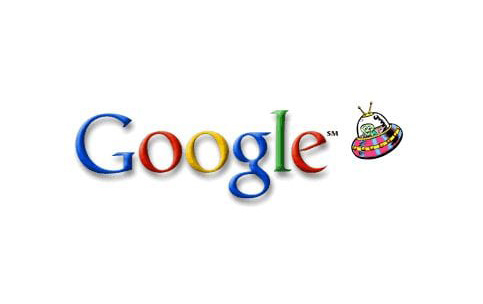
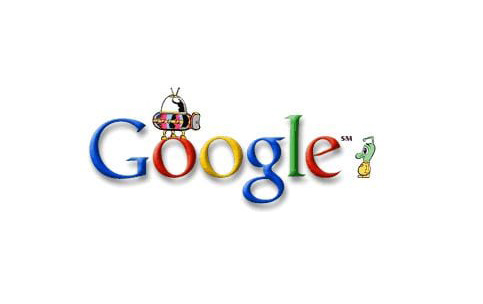
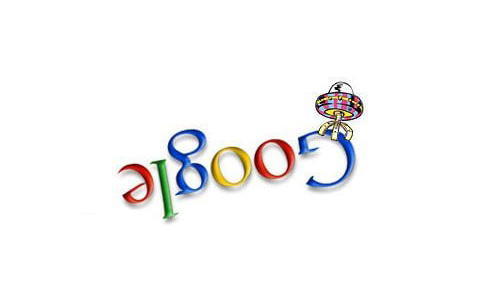
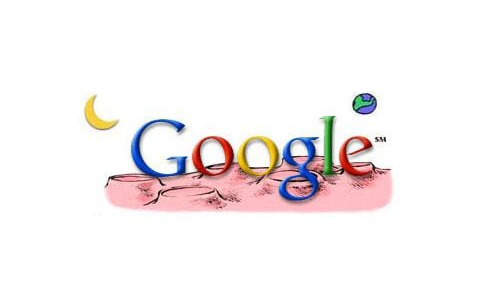
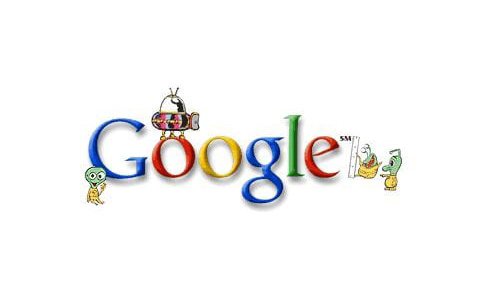
This five-part sequence treated the logo as a miniature stage. An alien craft approaches, investigates and interferes with the Google letters before the story resolves several days later.
It was essentially a tiny comic strip distributed one image at a time through the homepage — a very compact exercise in pacing, continuity and visual recognition.
July 2000 · Humour & Narrative
Founding Fathers BBQ
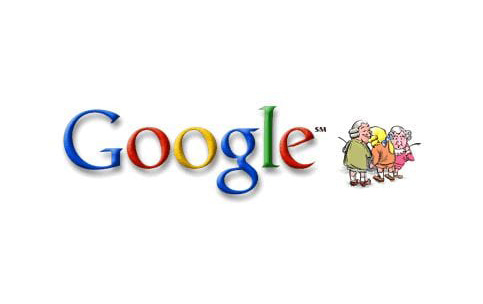
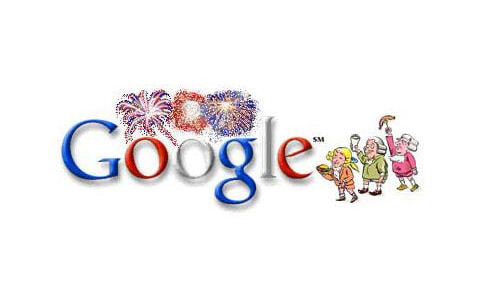
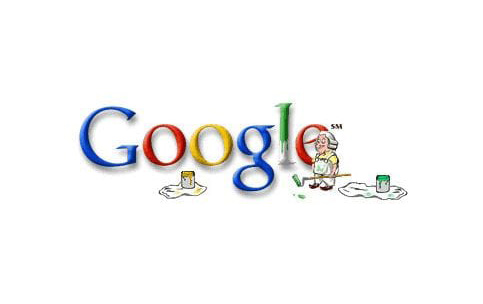
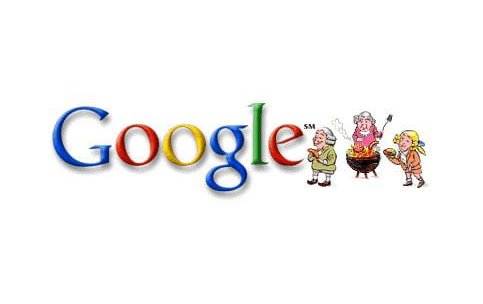
For July 4, I turned the Google logo into the setting for a slightly absurd Independence Day barbecue populated by historical figures.
The series developed over several images rather than presenting a single patriotic symbol. Costume, staging, expression and small changes between frames carried the humour.
September 2000 · Character Design
Sydney 2000 — Kangaroodle
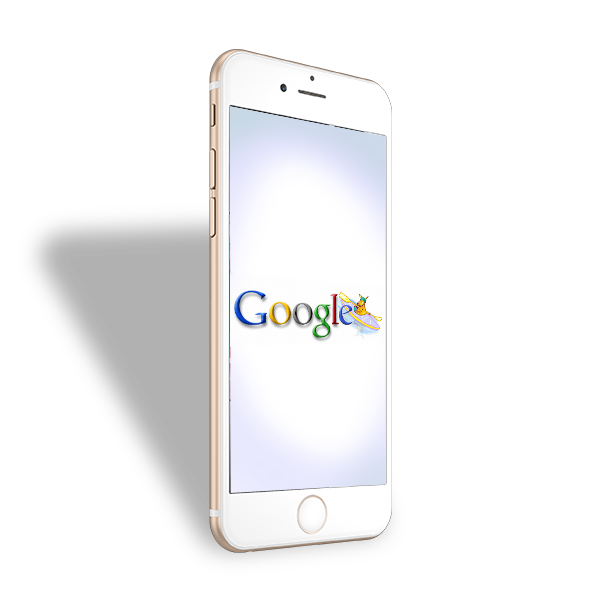
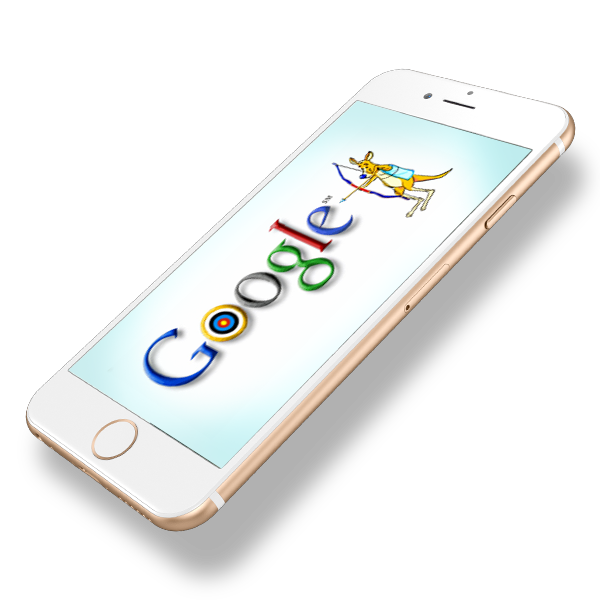
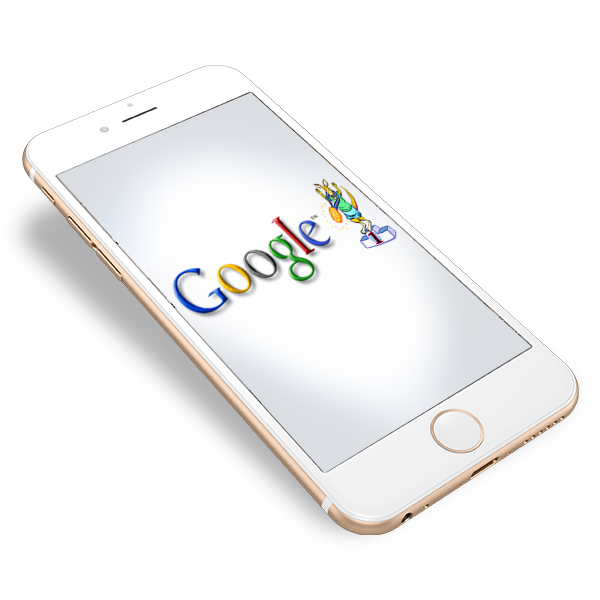
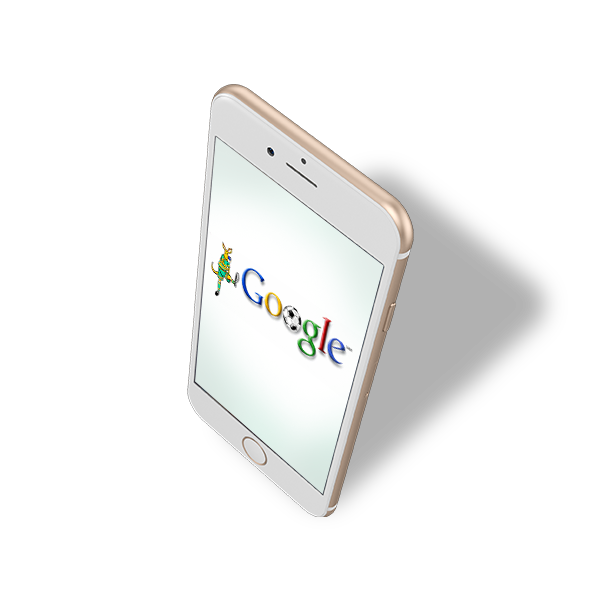
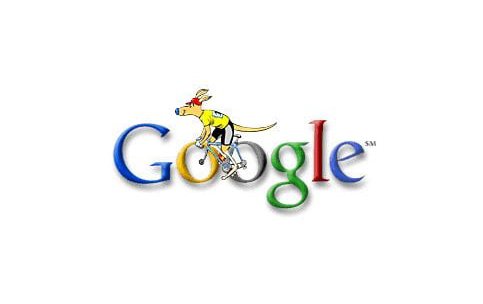
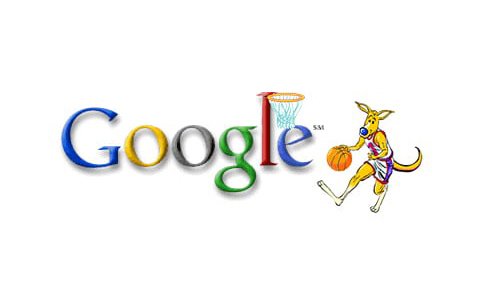
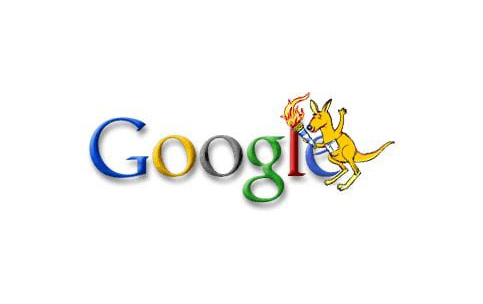
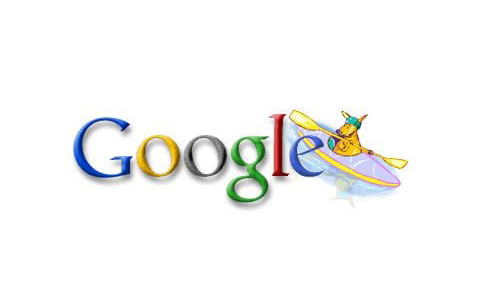
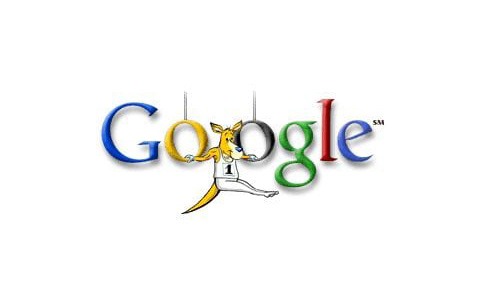
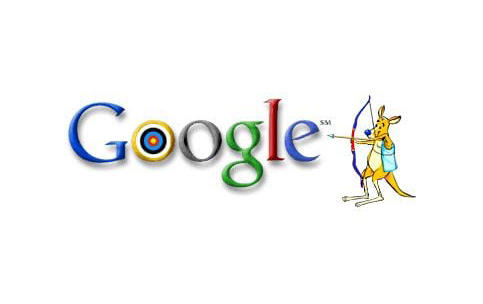
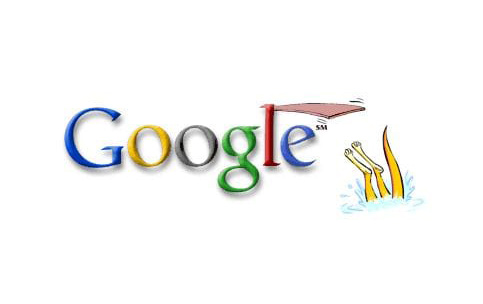
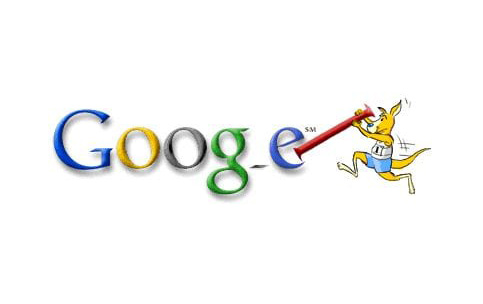
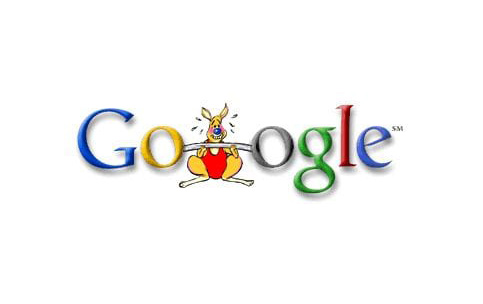
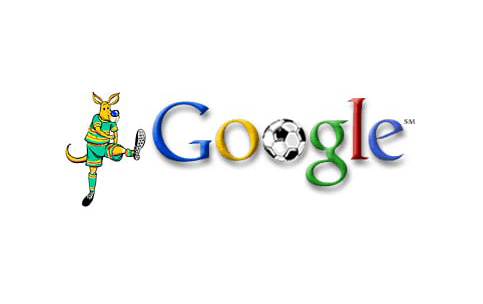
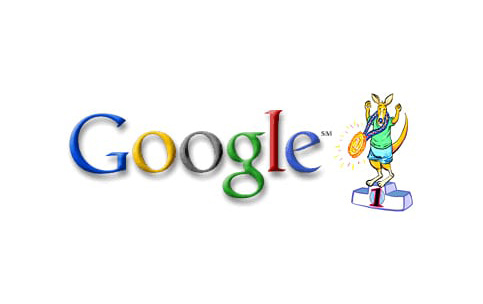
For the Sydney Summer Olympics, I created Kangaroodle, a kangaroo character who performed a different Olympic discipline around the Google logo throughout the Games.
This was character design functioning as a serial campaign. The character had to remain instantly recognizable while working in kayaking, gymnastics, archery, diving, athletics, cycling, weightlifting, football, basketball and the opening and closing ceremonies.
The Sydney 2000 Kangaroodle series
Each image below links to the corresponding entry in Google’s official Doodle archive.
December 2000 · Seasonal Illustration
New Year 2001
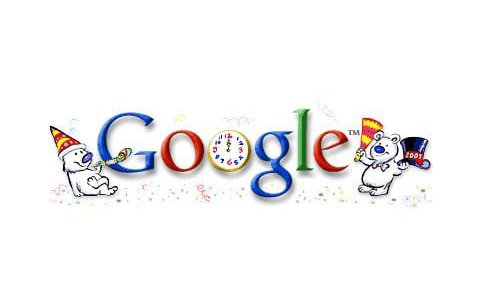
The New Year image is much quieter than the narrative sequences. Polar bears celebrate around the logo as 2000 becomes 2001.
It demonstrates the other side of the format: sometimes the idea only needed one friendly image and a few carefully placed character details.
What the Work Required
Small images, very little room for ambiguity
The early Doodles were compact, but that did not make them trivial. Each image had to remain recognisably Google while communicating an idea almost instantly.
Recognition
The underlying Google identity still had to read clearly even when letters became objects, scenery or part of a visual joke.
Character
Figures such as Kangaroodle needed enough personality to carry repeated images without overwhelming the logo itself.
Sequence
Multi-day Doodles required continuity, pacing and enough change from image to image to reward people who returned the next day.
Restraint
The image had to be understood quickly. There was no room for unnecessary detail, explanatory copy or visual clutter.
Then & Now
The same drawing problems still interest me
The technology and scale of the web have changed completely since 2000, but the visual questions behind the Doodles are still familiar: how do you make an idea readable quickly, give it character, and make people want to look at it?
Those questions continue through my current work in business illustration, cartoons, comics, character design, editorial projects and hand-drawn visual storytelling.
Press & Further Reading
Early Google Doodles in the wider history of Google
The Week — Inside the Secret World of Google
The Wall Street Journal — Google Doodle coverage
Looking for an illustrator?
The Google Doodles are an early chapter of a much longer illustration career. I now work with companies, publishers, institutions and agencies on commissioned illustration, comics, characters, campaigns, editorial work and visual storytelling.
If you have a project in mind, send me a short outline of what you need, where the work will be used and your timing.
Google Doodle Archive
Google Doodles by Ian David Marsden, 2000–2001
The projects above are selected highlights. The gallery below contains a broader chronological archive of the Google Doodles I created during my period as Google’s freelance Doodle artist. Click an image to enlarge it.